
Authentic Jingdezhen Blue and White Porcelain Kung Fu Tea Set: A Story of Craft, Ritual, and Timeless Beauty
The Quiet Revolution on My Bookshelf
It started as a quiet rebellion. My bookshelf, once a proud display of literary ambitions, had become a graveyard of good intentions. Bestsellers I’d never opened, academic tomes that gathered dust, and the occasional self-help book that promised a life I never seemed to find the time for. The silence was heavy, not with peace, but with the unspoken guilt of unread pages. I needed a change, a ritual to punctuate the monotonous rhythm of my days. I didn’t just want a new hobby; I wanted a new language, one spoken not with words, but with steam, scent, and silence. That’s when I found it: an authentic Jingdezhen Blue and White Porcelain Kung Fu Tea Set.
Jingdezhen Cobalt Blue
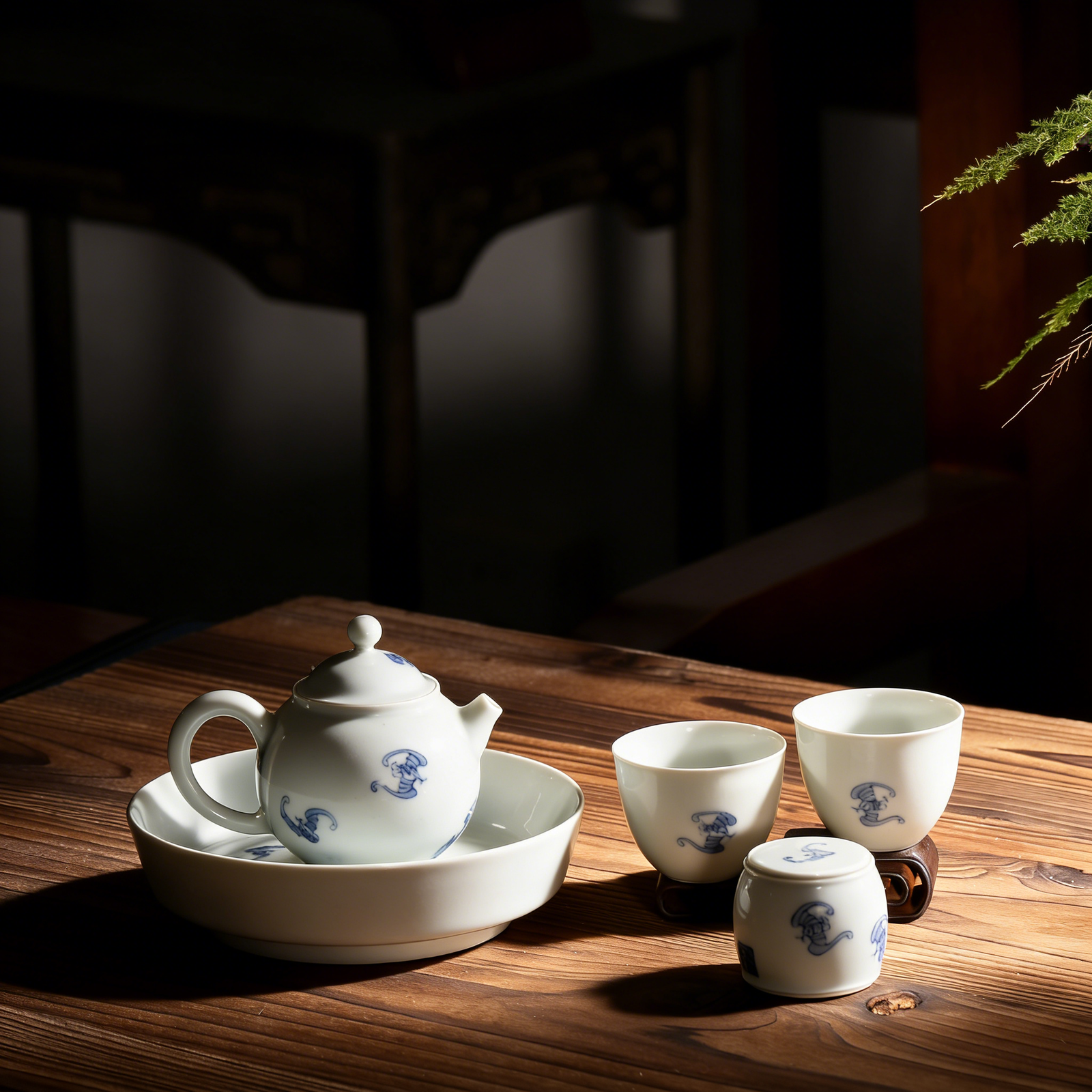
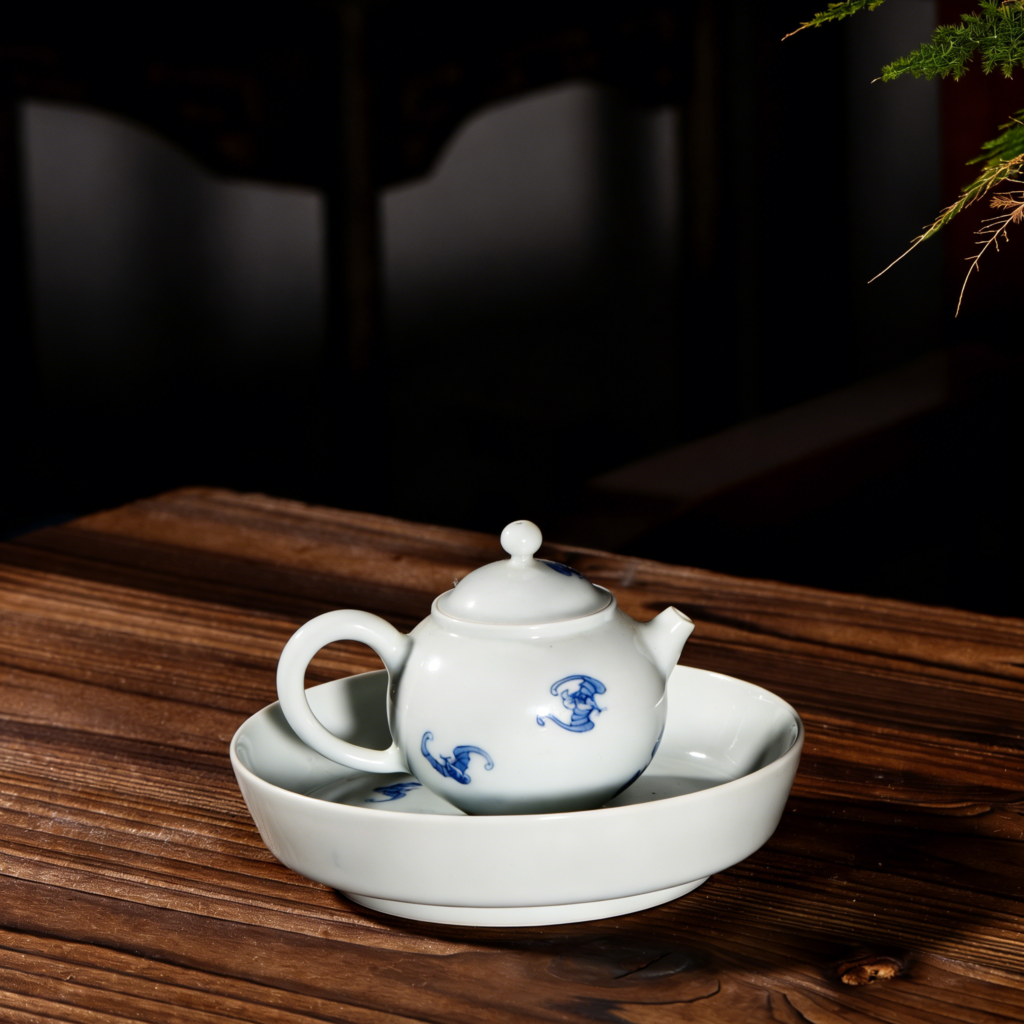
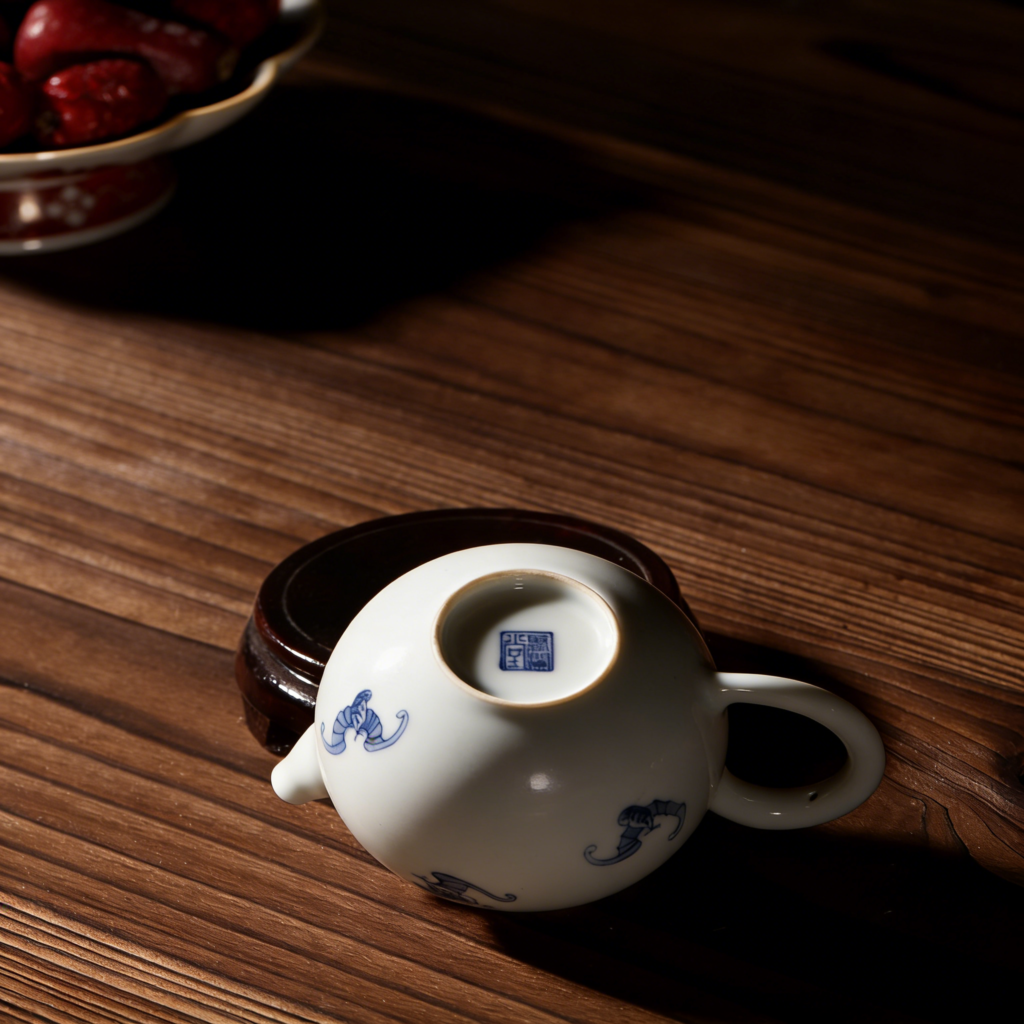
My journey into the world of tea wasn’t born from expertise, but from a profound sense of aesthetic longing. I was scrolling through late one night, the blue light of my screen casting long shadows, when the image stopped me cold. It wasn’t just a tea set; it was a portal. A small, porcelain teapot, no bigger than my palm, sat beside two delicate cups on a simple wooden tray. The porcelain was a canvas of pure white, and across its surface, a master’s brush had danced in cobalt blue, painting wisps of clouds and the elegant, winding form of a dragon. It was a “Kung Fu Tea Set,” the listing said, from “Jingdezhen,” made of “Blue and White Porcelain.” The words were foreign, but the feeling they evoked was deeply familiar—a pull towards something ancient, deliberate, and beautiful.
Blue and white Porcelain
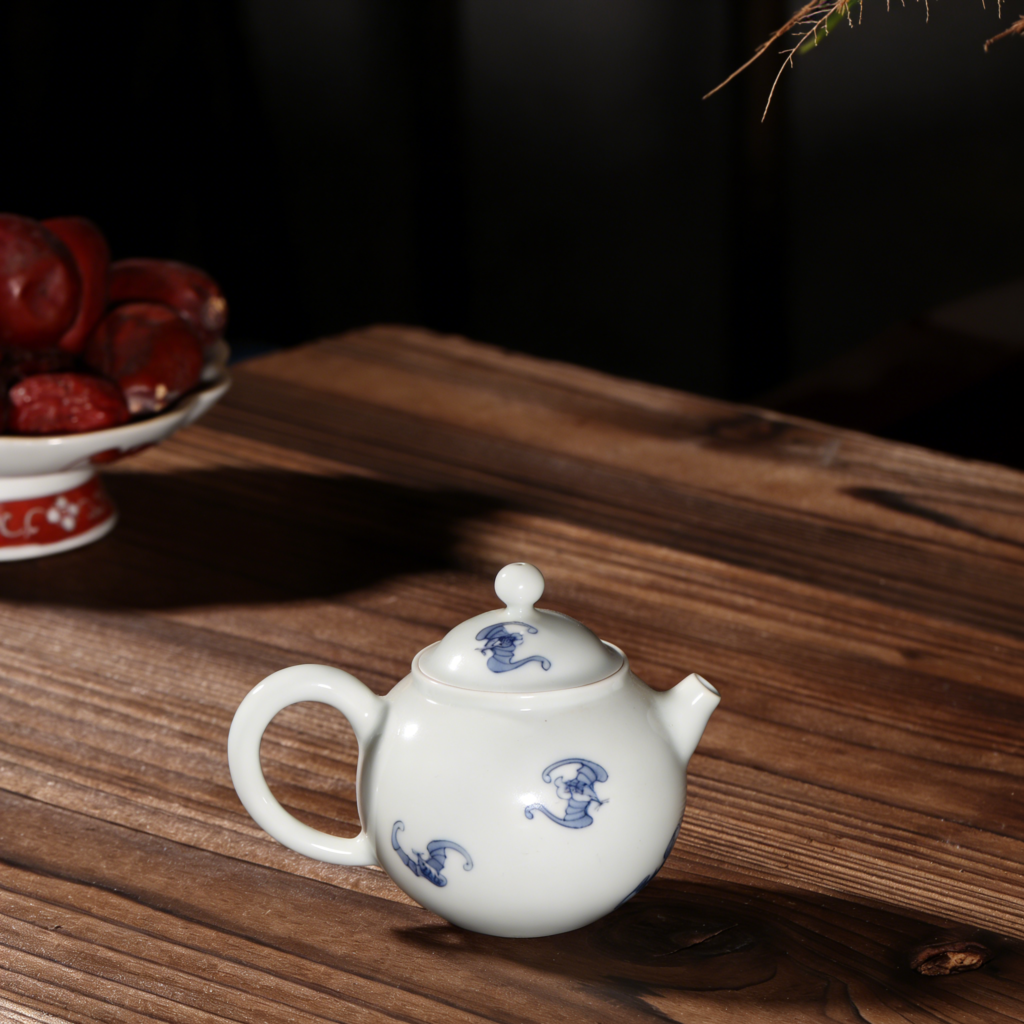
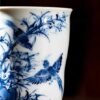
I ordered it almost on a whim. When the package arrived, unwrapping it felt like an archaeological dig. Each piece was nestled in soft paper, a testament to the fragility and value of what lay within. The first thing I noticed was the weight. It wasn’t heavy, but it had a satisfying density, a solidness that spoke of quality. My fingers traced the cool, smooth glaze of the teapot. It was flawlessly executed. The spout was perfectly formed, the handle an ergonomic curve that fit my fingers as if it had been made for them. And the painting… up close, it was even more breathtaking. The blue wasn’t a flat, printed color; it had depth and variation, the subtle bleed of the cobalt into the clay visible under the glassy glaze. This was the famous Blue and White Porcelain, a craft perfected over centuries.
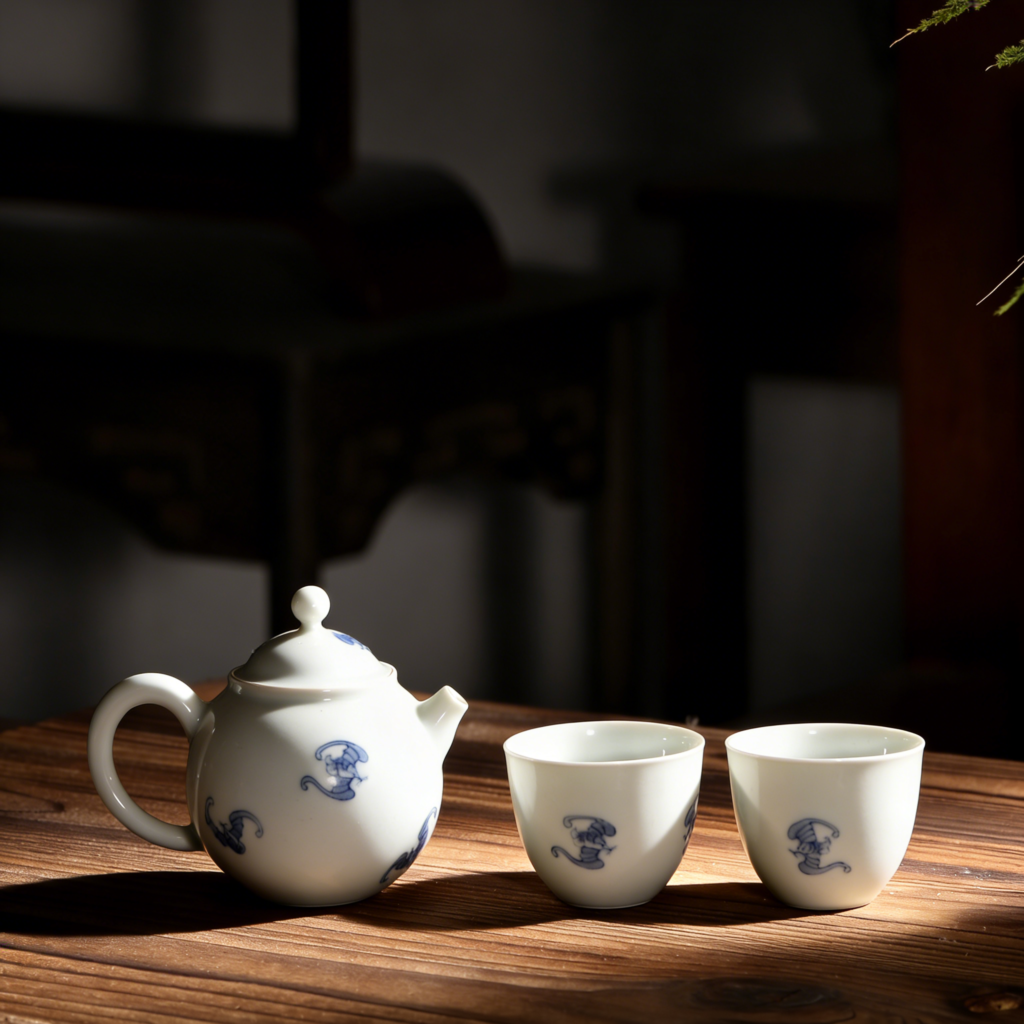
The set was small—a one-person affair. A teapot, two cups, a fairness pitcher, and a small tray to catch the spills. This, I learned, was the essence of a “Gongfu” or Kung Fu Tea Set. The term “Kung Fu” here doesn’t refer to martial arts, but to any skill achieved through diligent practice and effort. This was a set designed not for brewing a quick cuppa, but for the dedicated practice of tea making. It was an invitation to slow down, to pay attention, to master a small, beautiful process.
The Bitter Lesson and the Path to Mastery
My first attempt was a disaster. I boiled the kettle and poured the scalding water directly over the leaves in the pot, just as I would for a normal cup of tea. The result was a bitter, astringent liquid that was barely drinkable. I had treated this instrument of precision like a common mug. I felt a pang of frustration, but also a spark of curiosity. I realized I needed to learn the language of this set.
I fell down a rabbit hole of online forums, YouTube tutorials, and articles. I learned that the water temperature was critical—different teas required different heat. Green tea needed water that was just shy of a boil, around 80°C, to preserve its delicate, grassy notes. Oolong teas, with their complex floral and roasted profiles, thrived on water just off the boil. I learned about “waking the tea,” a quick first rinse to open up the leaves and wash away any dust. I learned about the importance of pre-warming the teapot and cups, so the brewing temperature remained stable.
Jingdezhen: The Soul of the Clay
The name Jingdezhen began to take on a new meaning. It wasn’t just a place on a map; it was a synonym for porcelain itself. For over 1,700 years, this city in China’s Jiangxi province has been the epicenter of ceramic artistry. Emperors commissioned their finest wares from its kilns. The phrase “as fragile and precious as porcelain from Jingdezhen” became a common saying. Holding my teapot, I wasn’t just holding an object; I was holding a piece of that living history. The clay, the glaze, the firing techniques—they were all part of an unbroken lineage of craftsmanship passed down through generations. The blue pigment, historically made from imported cobalt, was painted by hand onto the raw clay body before being covered in a clear glaze and fired at a high temperature. This “underglaze” technique is what gives Blue and White Porcelain its signature vibrant, yet protected, color.
The Ritual of the Golden Liquor
Armed with this new knowledge, I approached my tea set with renewed reverence. I selected a high-mountain Oolong, its leaves tightly rolled into little green pellets. I warmed the pot and cups with hot water, then discarded it. I placed a small handful of leaves in the pot, filled it with water at the perfect temperature, and let it steep for just a few seconds. The moment I poured the tea into the fairness pitcher, a wave of orchid-like fragrance filled the air. The liquor was a pale, luminous gold. I poured it into the small cups, the sound a gentle, musical clink.
The first sip was a revelation. It was nothing like the bitter brew of my first attempt. This was smooth, complex, and layered. I could taste the sweetness of the mountain air, the floral notes of the tea flower, and a hint of roasted nuttiness on the finish. It was an experience, not just a beverage. The small size of the cups was no longer an inconvenience; it was an invitation to savor, to pay attention to every nuance of flavor as it evolved from the first sip to the last.
A Sanctuary in Porcelain
This became my evening ritual. The chaotic noise of the day would fade as I laid out my Jingdezhen set. The process was meditative. The precise measurement of leaves, the controlled pour of the water, the careful timing of the steep—each action demanded focus. My mind, usually a frantic carousel of thoughts, would quiet down. I was no longer thinking about deadlines or unanswered emails; I was thinking about the temperature of the water and the way the steam curled from the spout. The Kung Fu Tea Set had given me a sanctuary, a small, ordered world where I was in complete control.
The two cups, I realized, were not just for a guest. Often, I would pour tea into both. One for me to drink, and one simply to hold, to feel the warmth of the porcelain against my palm, a physical anchor to the present moment. It was a dialogue between myself and the ritual, a silent conversation conducted through the medium of tea.
The Beauty of Patina
Over time, the set began to change. A faint, golden stain, known as a “tea patina,” started to form on the inside of the pot and cups. Far from being a flaw, this was a badge of honor, a visual diary of every tea session, every moment of peace. The porous, unglazed clay of the teapot (if it were Yixing clay, but even the porcelain absorbs some essence) would begin to hold the memory of the teas, subtly enhancing the flavor of future brews. My set was no longer just an object; it was becoming a companion, shaped by our shared history.
Now, my bookshelf still holds those unread books. But next to it, on a small side table, sits my Jingdezhen Blue and White Porcelain Kung Fu Tea Set. It has become the new center of my home, a quiet monument to the beauty of slowing down. It taught me that “Kung Fu” isn’t about fighting; it’s about the dedication to a craft. It showed me that “Jingdezhen” isn’t just a name, but a promise of quality and artistry. And it proved that “Blue and White Porcelain” is more than a decorative style; it’s a timeless expression of elegance.
If you are looking for more than just a tea set—if you are looking for a way to carve out moments of peace, to connect with a rich cultural tradition, and to own a piece of functional art—then I can think of no better place to start. This set isn’t just for drinking tea; it’s for living a more mindful, more beautiful life, one cup at a time.

Add comment