
The Art of Blue and White Porcelain
Unveiling the Mystery of the Hand-Painted Auspicious Beast
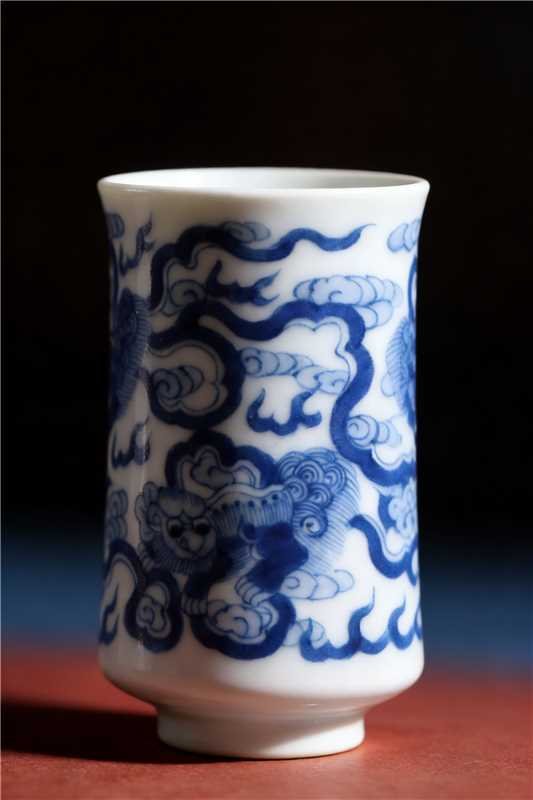
In the vast and glittering history of Chinese ceramics, few art forms command as much respect and admiration as blue and white porcelain. For centuries, these exquisite vessels have traveled the Silk Road, captivating emperors, collectors, and art enthusiasts worldwide. Among the myriad of patterns adorning these wares, few are as powerful and symbolic as the auspicious beast. When combined with the delicate technique of hand-painted artistry, these pieces transform from simple household items into cultural heirlooms that bridge the gap between the earthly and the divine.
The Enduring Legacy of Blue and White Porcelain
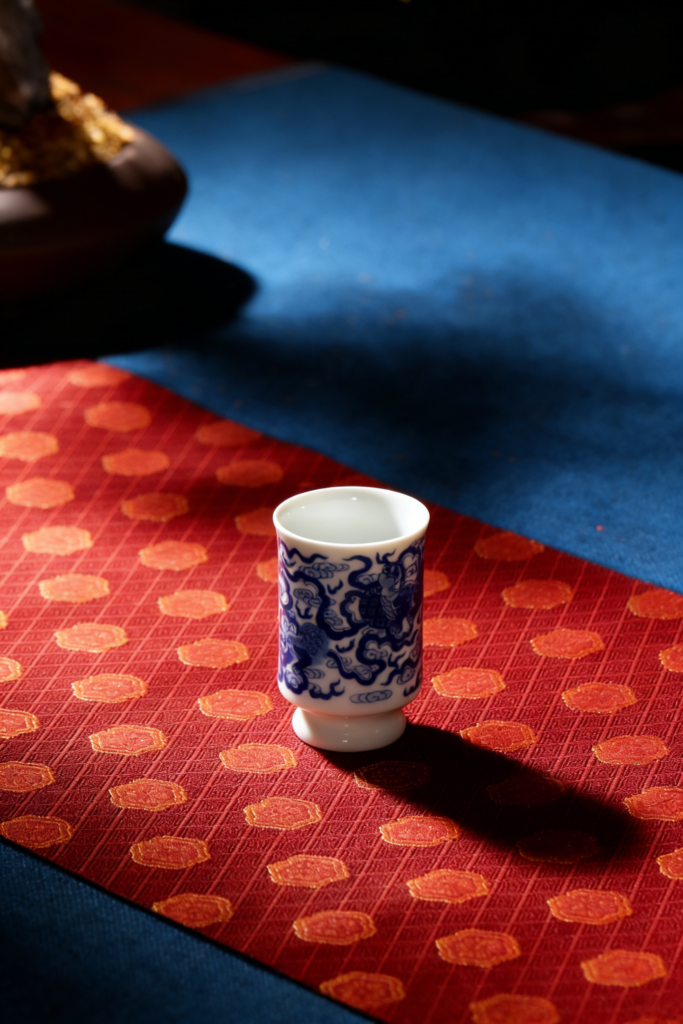
Blue and white porcelain represents the pinnacle of ceramic achievement. Originating in the Tang Dynasty and maturing during the Yuan and Ming dynasties, this style is defined by its striking contrast: the deep, cobalt blue designs set against a pristine, snowy white background. The creation of blue and white porcelain is a testament to human ingenuity, requiring the precise control of kiln temperatures and the mastery of cobalt mining.
Unlike mass-produced modern ceramics, traditional blue and white porcelain carries the soul of the artisan. The “blue” is not merely a color; it is a landscape, a story, and a mood. Whether it is the “heaped and piled” effect of imported cobalt from the Yuan dynasty or the bright, vibrant blue of the Qing era, the aesthetic of blue and white porcelain remains timeless. It is this enduring beauty that makes it a staple in museums and luxury homes alike, proving that true style never fades.
Guardians of the Kiln: The Auspicious Beast
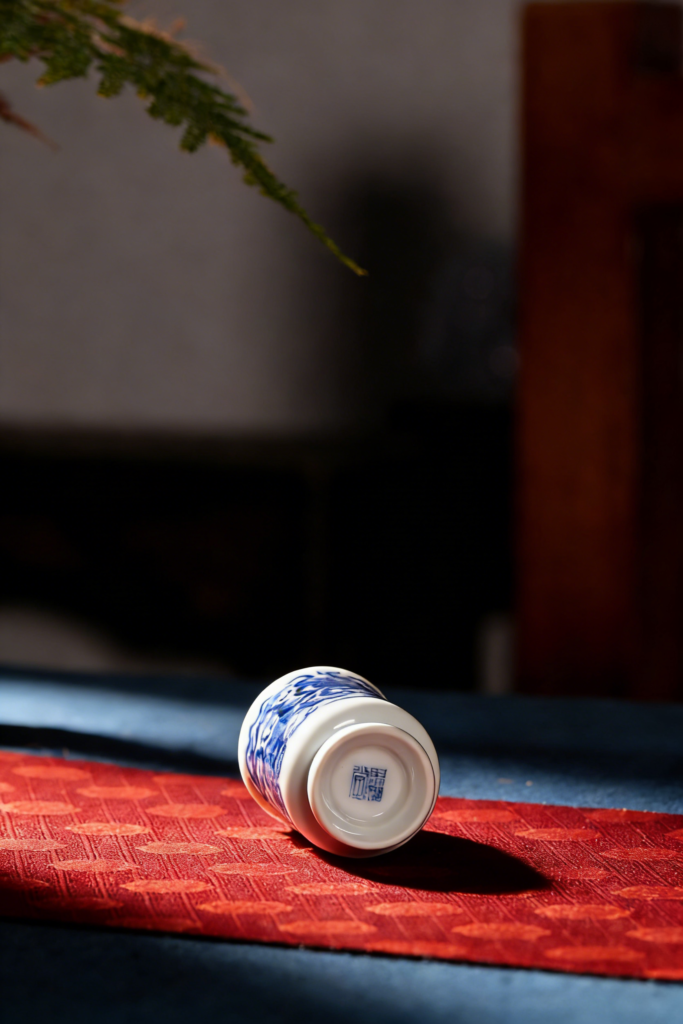
While floral patterns like the peony and lotus are common, the depiction of a mythical creature adds a layer of spiritual significance. The auspicious beast is a catch-all term for various mythological creatures in Chinese folklore, such as the Qilin (Kirin), the Pixiu, or the stylized Lion Dog (Foo Dog). These creatures are not merely decorative; they are guardians.
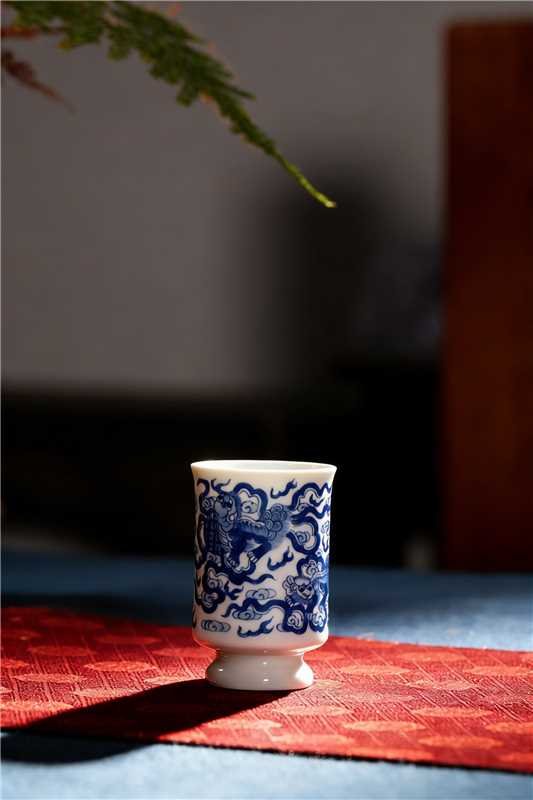
An auspicious beast on a ceramic piece is believed to bring good fortune, ward off evil spirits, and ensure prosperity for the owner. For example, the Qilin is often associated with the birth of a sage or a benevolent ruler, while the Pixiu is famous for its ability to attract wealth. When an artist paints an auspicious beast, they are imbuing the object with a specific intention. The creature is often depicted amidst clouds or waves, symbolizing its dominion over the elements and its ability to traverse the heavens. This dynamic imagery turns a static cup or vase into a vessel of energy and protection.
The Soul of the Artist: The Value of Hand-Painted Art
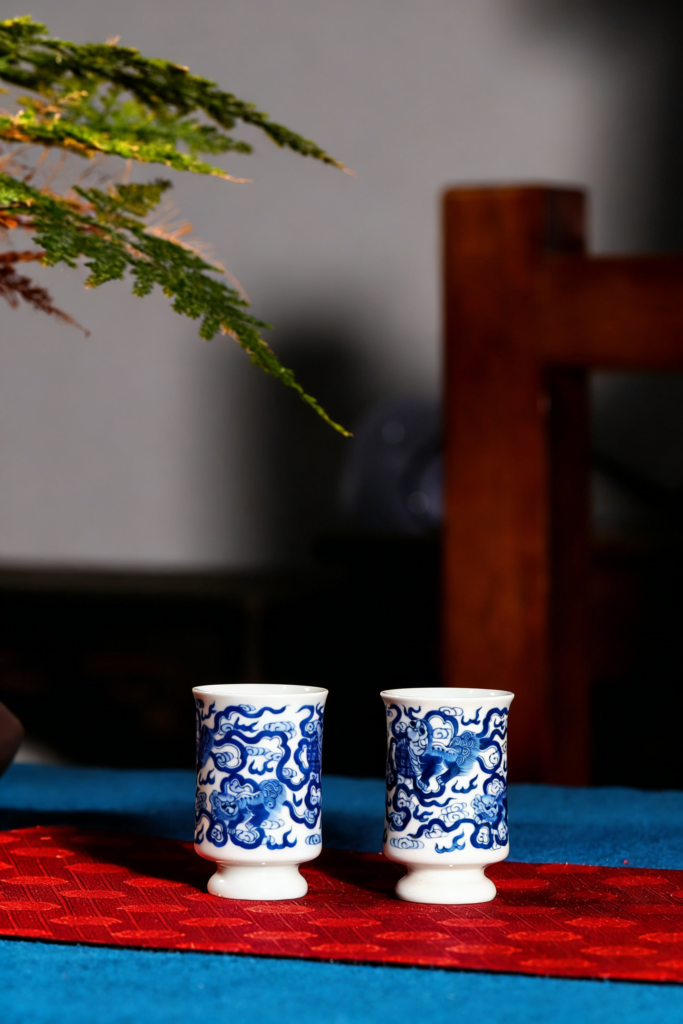
In an age of digital printing and decals, the value of hand-painted ceramics has skyrocketed. A hand-painted piece is unique; no two brushstrokes are ever exactly alike. The artist must possess immense skill to paint directly onto the raw clay or the glazed surface, knowing that the firing process will alter the final color. This requires a “mind of the hand” that machines cannot replicate.
When you examine a hand-painted piece of blue and white porcelain, you can often see the variation in the blue tone, known as “water separation.” The artist uses different concentrations of cobalt to create depth and shadow, giving the auspicious beast a three-dimensional appearance. You can see the speed of the brush in the flowing mane of the beast and the delicate touch in the swirling clouds. This hand-painted quality adds a tactile warmth to the object, connecting the user directly to the artist who sat at the wheel, breathing life into the clay.
Collecting and Caring for Your Masterpiece
For collectors and enthusiasts, acquiring a piece of blue and white porcelain featuring an auspicious beast is an investment in culture. When looking for authentic pieces, one should look for the tell-tale signs of hand-painted work. Decals often have a dotted pattern or look too uniform, whereas hand-painted lines will have varying thickness and fluidity.
To care for these treasures, one must respect their fragility. Avoid harsh chemicals that might dull the glaze. If you are using a hand-painted cup for tea, appreciate how the heat enhances the aroma, just as the ancients intended. Displaying an auspicious beast in your home is not just about interior design; it is about inviting a piece of history into your space. Whether it is a small tea cup or a large display vase, the combination of the cobalt blue, the white clay, and the mythical guardian creates a harmony that is visually stunning and spiritually uplifting.
Conclusion
The world of Chinese ceramics is vast, but the triad of blue and white porcelain, the auspicious beast, and hand-painted artistry forms a cornerstone of this tradition. It is a celebration of nature, mythology, and human skill. As we move further into the modern era, the appreciation for these traditional crafts only grows. We seek connection, meaning, and beauty, and we find it in the swirling blue waves and the watchful eyes of the beasts painted centuries ago. By cherishing these pieces, we keep the fire of the kiln burning and the stories of the past alive.

Add comment