
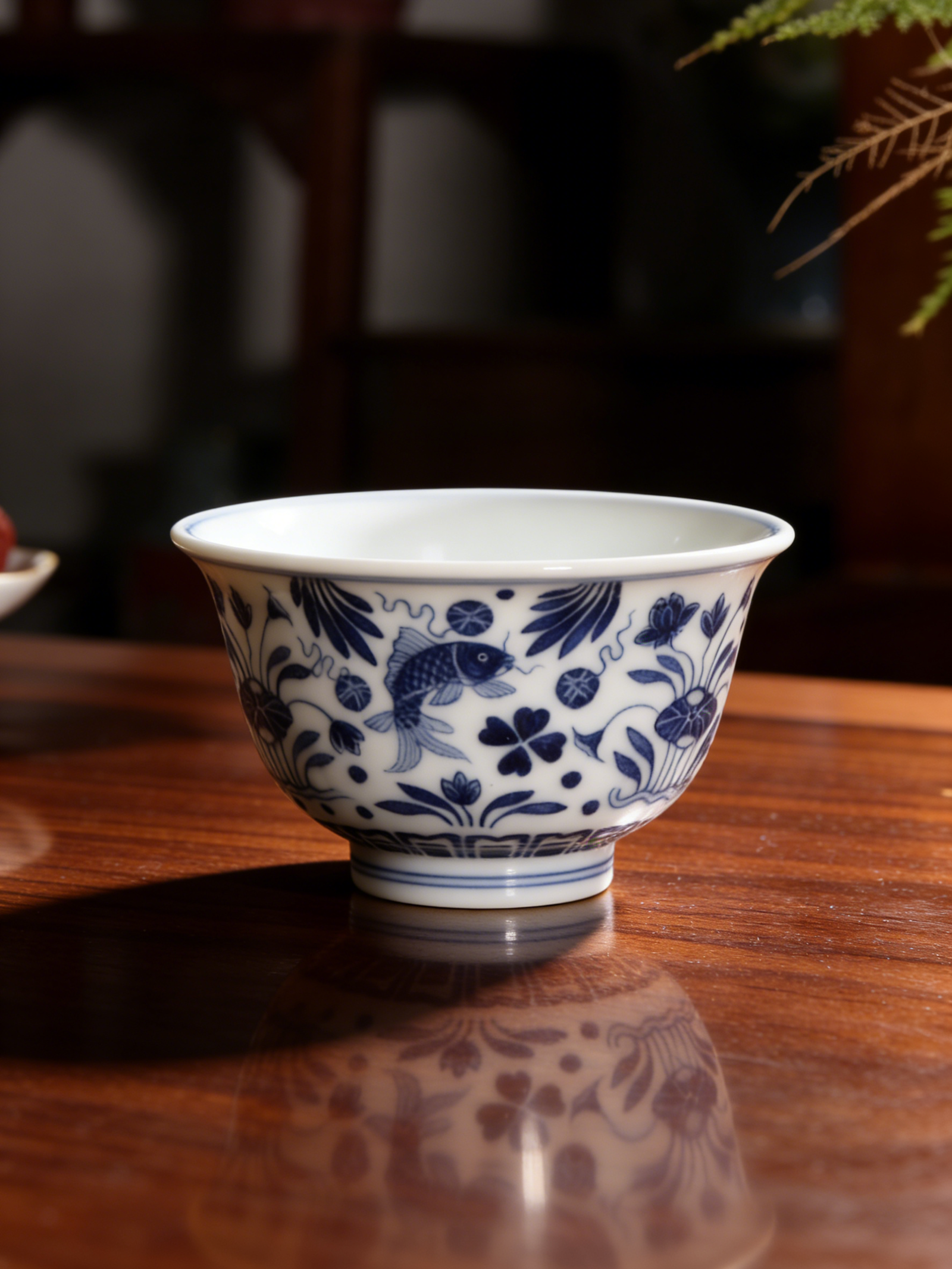
The Soul of Tea: A Fish and Aquatic Plants Pattern Blue and White Porcelain Yazhou Cup:A Masterpiece
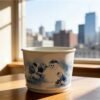
The afternoon sun filtered through the bamboo blinds, casting long, amber shadows across my old rosewood tea table. Outside, the city hummed with its usual chaotic rhythm, but inside, the air was still. I reached for my favorite vessel, the one that anchors my daily ritual: a Fish and Aquatic Plants Pattern Blue and White Porcelain Yazhou Cup.
It wasn’t just a cup; it was a conversation piece, a bridge between the Ming Dynasty and my modern afternoon. As I poured the steaming Da Hong Pao, the steam seemed to awaken the blue fish painted on the porcelain, making them swim lazily among the aquatic plants.
The Weight of History in Your Palm
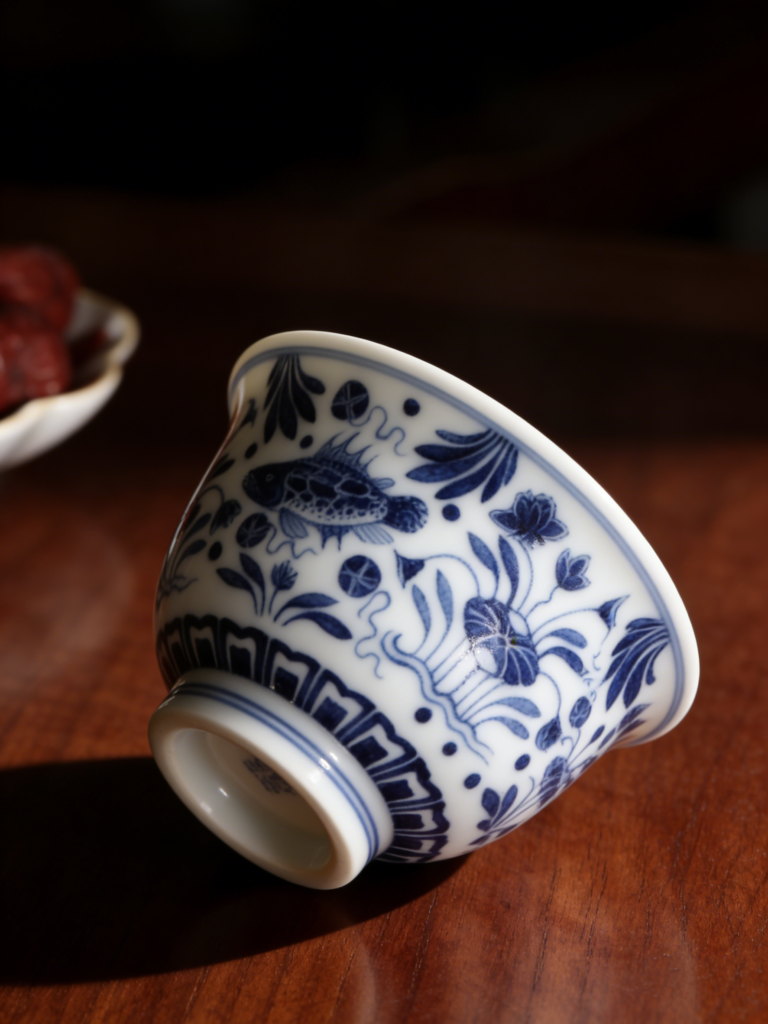
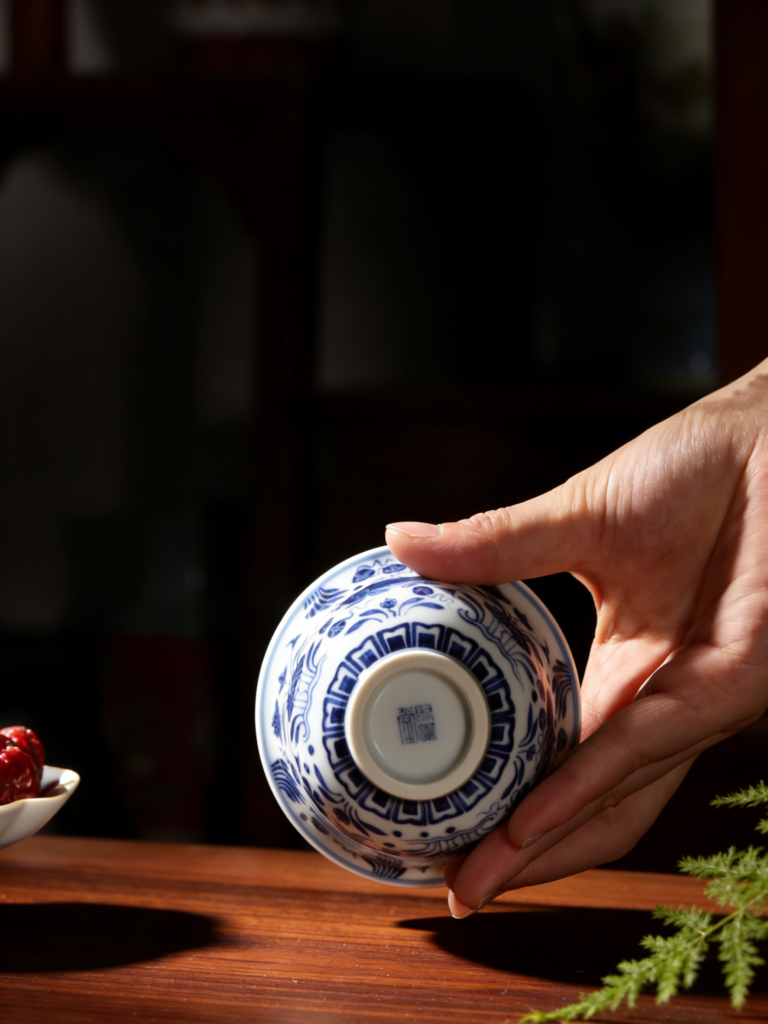
Why do we call it a “Yazhou” cup? The term is poetic and literal. “Ya” means to press, and “Shou” means hand. In English, we simply call it a Yazhou cup or a “pressed-hand cup.”
Unlike the delicate, thin-walled cups often seen in modern tea sets, the Yazhou cup has a distinct presence. Originating from the Yongle period of the Ming Dynasty, this shape is engineered for balance. The rim flares slightly outward, the belly is rounded, and the foot is weighted. When you hold it, the center of gravity sits perfectly in your palm. It feels substantial, grounding you. It demands to be held with two fingers or a gentle grasp, forcing you to slow down.
A Dance of Blue and White: The Fish and Aquatic Plants Pattern
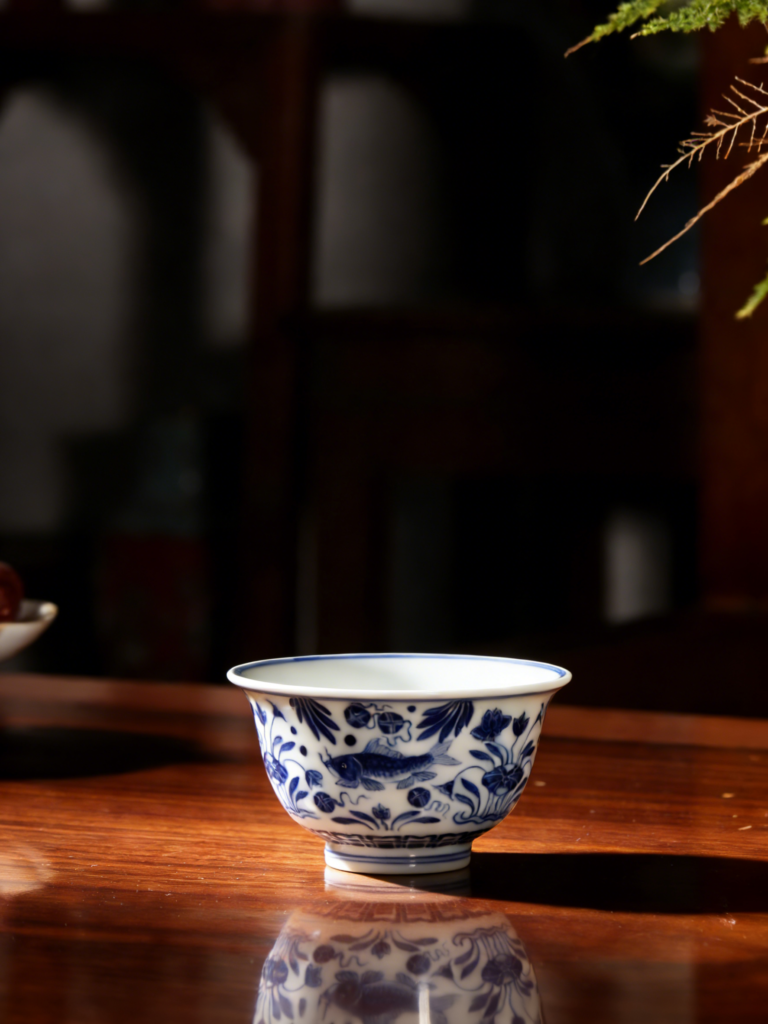
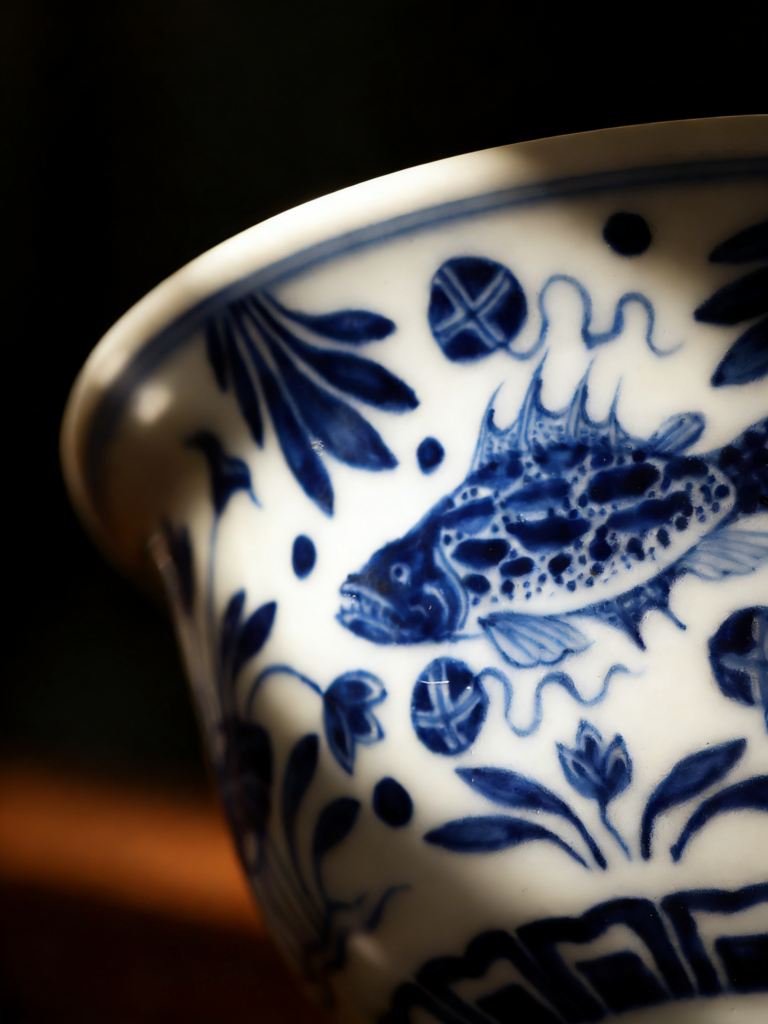
The decoration on this specific cup is the classic Fish and Aquatic Plants Pattern. In Chinese culture, this is more than just a pretty picture; it is a visual pun filled with blessings.
- The Fish (Yu): Sounds like “Abundance” or “Surplus.” It symbolizes a wish for prosperity and wealth.
- The Lotus (Lian): Represents purity and harmony.
- The Algae/Plants: Symbolize resilience and the flow of life.
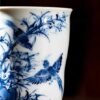
Looking closely at the Blue and White Porcelain, you can see the artisan’s skill. The cobalt blue pigment penetrates the glaze, creating a depth that looks like a pool of water. The fish isn’t just painted on the surface; it looks like it is suspended in a three-dimensional aquatic world.
The Craft Behind the Beauty
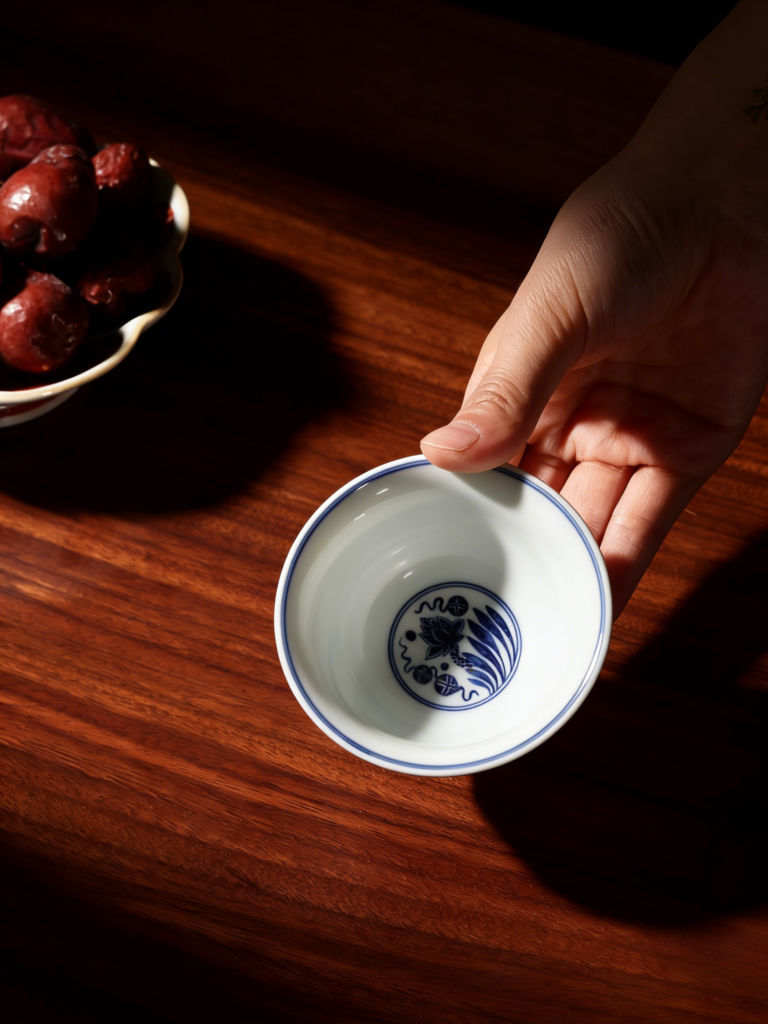
To truly appreciate this cup, one must understand the fire and earth that created it.
- The Clay: High-quality porcelain stone is ground and refined until it is as smooth as flour.
- The Painting: This is where the magic happens. The artist uses a brush dipped in cobalt oxide to paint the fish and plants. This requires immense confidence; one wrong stroke ruins the piece.
- The Firing: The cup is glazed and fired at temperatures exceeding 1300°C. The chemical reaction transforms the greyish cobalt into the vibrant blue we see today.
This specific cup has a “heavy” feel to the blue color, likely indicating a high-temperature firing or a traditional reduction atmosphere kiln, giving it a rich, gem-like quality.
Why This Cup Changes the Tea Experience
I have drunk tea from glass, from clay, and from silver. But there is something special about the Blue and White Porcelain Yazhou Cup.
The shape of the Yazhou cup is designed to gather the aroma. As you bring it to your lips, the flared rim directs the scent straight to your nose. The thick walls retain heat, keeping your oolong or pu-erh warm without burning your fingertips.
But beyond the physics, it is the psychology. Holding a piece of history, watching the fish swim among the plants as you tilt the cup, turns a simple act of hydration into a meditation. It connects us to the scholars of the past who sat by rivers, drinking wine and composing poetry.
Conclusion
In a world of mass production, finding a vessel that speaks to the soul is rare. The Fish and Aquatic Plants Pattern Blue and White Porcelain Yazhou Cup is not just a tool for drinking tea; it is a vessel of culture. It reminds us that even in the busiest moments, we can find a moment of peace, a moment of “abundance,” and a moment of beauty.

Add comment